 Amsterdam Windmill Tours
Is Zaanse Schans Worth Visiting, or Is It a Tourist Trap?
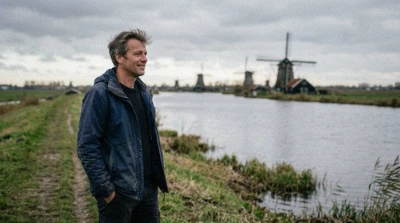
The question is Zaanse Schans worth visiting usually means two things at once: is the place real, and is it ruined. The honest answers are yes and partly. The mills genuinely work, one of them is the last paint mill on earth, and going inside costs €7.50. The village also took 2.6 million visitors in 2024, most of whom arrive between half past ten and four. When you go decides almost everything about what you think of it, and this post is about getting that decision right.
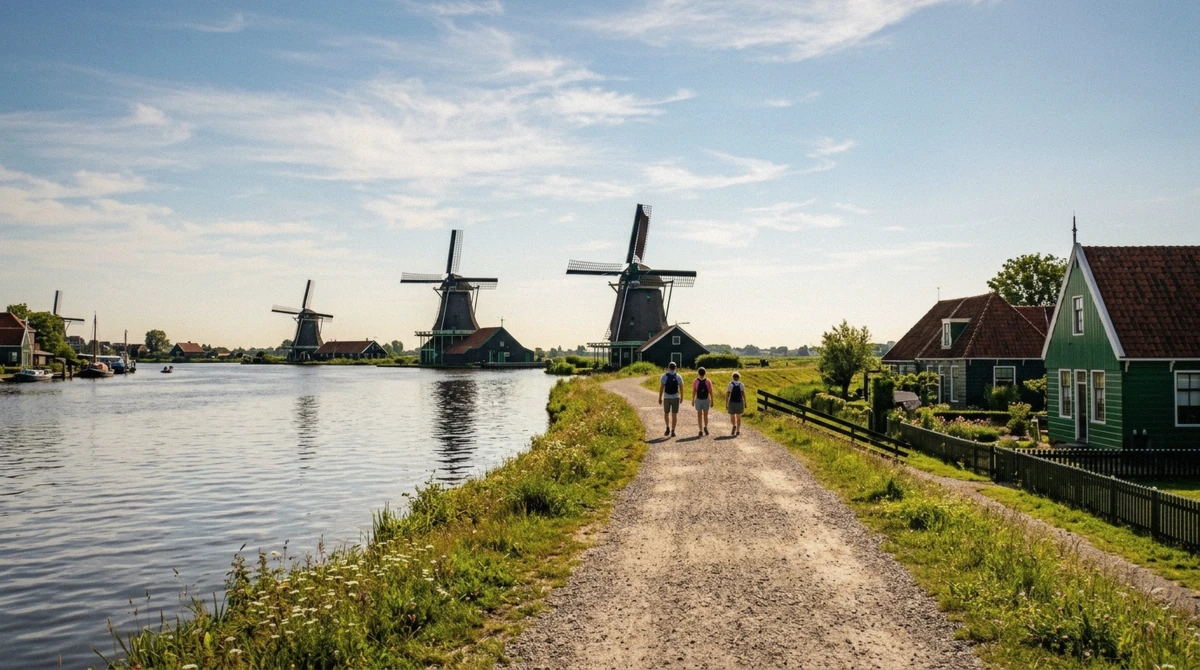
Quick answer
Yes, if you arrive before half past ten and go inside at least one windmill. The mills are working machines rather than props, the village is free to walk into, and De Kat still grinds pigment into paint the way the Zaan region did for three centuries. Arrive at midday in July, stay outside every building and leave after ninety minutes, and you will conclude it is a gift shop with sails, which is also a fair description of that experience.
Key takeaways
- Free to walk in; €7.50 buys the inside of a working mill, which is where the visit earns its reputation
- 2.6 million visitors came in 2024, and the coaches start landing around 10:30
- Two hours covers the path and one mill; four hours covers three mills and the museums
- Winter halves the crowds and closes two of the six open mills
- 17 minutes by train from Amsterdam Centraal, so a bad visit costs you a morning, not a day
- Want the fishing villages in the same day? Day tours to the Amsterdam windmills cover up to four stops from $34
The Honest Balance
What we genuinely like
- The mills work. De Kat grinds pigment, Het Jonge Schaap saws timber, and millers explain both themselves
- Free to enter, so a visit can cost nothing beyond the train
- Seventeen minutes from Amsterdam Centraal, four trains an hour, no booking
- The Julianabrug view on the walk in is the best free photograph in North Holland
- Real craft demonstrations at the clog workshop and the cheese farm, both free to watch
The honest downsides
- 2.6 million visitors a year, concentrated into the middle of the day
- The souvenir density around the cheese farm is high and unapologetic
- Most of the village was moved here from elsewhere between 1961 and 1974, so it is a collection rather than a surviving street
- Two of the six open mills shut from November through March
- Coach schedules give people two hours, which is the wrong amount of time
Who it's NOT for: Anyone who needs an untouched village with no other tourists in the frame. That place is not on any train line 17 minutes from a capital city.
What Makes It Worth the Morning
The Mills Are Not Scenery
This is the part that decides it. From outside, six dark timber mills on a river bank photograph beautifully and tell you nothing. Pay €7.50 and go into De Kat and the argument ends: two stone runners the height of a person turn in a trough, crushing chalk or lapis into pigment, the whole building creaks around the shaft, and a miller explains what is being ground that week.
Het Jonge Schaap does the same for timber. It was rebuilt in 2007 from the original drawings of a 1680 sawmill, and the frame saw still cuts logs floated up the Zaan.
A thousand industrial windmills once worked this river, making paint, oil, mustard, paper and planks. Six of them are still doing it. That is the reason to come.
What the Village Actually Is
Zaanse Schans is not a preserved street. Between 1961 and 1974 the buildings were moved here from around the Zaan region to save them from demolition, and assembled into the village you walk through.
Knowing that changes the visit rather than spoiling it. You are looking at a rescue operation, not a film set: every house and mill is genuine, they simply used to stand somewhere else. The green timber, the red tiles and the reed banks are what the whole region looked like before the twentieth century took it apart.
The Crowds, and How to Miss Them
Timing Beats Everything Else
The gates open at 9:00. The first coaches pull in around 10:30 and keep coming until mid-afternoon. Between those two times you have a working village with millers who will talk to you; after them you have queues at the clog workshop.
Nothing else on this page matters as much as that hour and a half.
| When | What it feels like | Worth it? |
|---|---|---|
| 09:00 to 10:30 | Quiet paths, empty mill interiors, millers with time to talk | Yes, unreservedly |
| 10:30 to 15:30 | Coach hours, queues at the demonstrations, busy paths | Only if you go inside something |
| 15:30 to closing | Thinning out, mills starting to shut, best light on the water | Yes, for photographs |
| November to March | Half the crowds, De Zoeker and De Bonte Hen closed | Yes, if you dress for wind |
How Long to Stay
Two hours is what the coach tours allow, and it is enough for the dike path, one mill and the cheese farm at a brisk pace. It is not enough to feel like you have been anywhere.
Four hours is the version people remember: three mill interiors, the museum, a pancake at De Kraai and time on the far bank where almost nobody walks. Arriving by train makes that easy, since you leave when you like.
If you have only two hours, spend them going inside things rather than photographing the outside of everything.
- 90 minutes: the path, the Julianabrug view, one demonstration. Thin.
- 2 hours: add one mill interior. The coach-tour experience.
- 4 hours: three mills, the mill museum, lunch, the quiet far bank.
- A full day: add the Zaans Museum and the Verkade Experience.
What It Costs to Find Out
The financial risk of a bad visit is small, which is worth saying out loud. A return train from Amsterdam Centraal is about €9.40 and the village charges nothing at the gate. If you walk in, dislike it and leave after an hour, you are down a morning and the price of two coffees.
That asymmetry is the real argument for going. Compare it with a nine-hour coach day at $109 in tulip season: there the stakes are high enough that you want to be sure. Here they are not.
| What you spend | Independent morning | Coach half day |
|---|---|---|
| Getting there | €9.40 return by train | Included |
| Entry to the village | Free | Free |
| One windmill | €7.50 | €7.50, or included on some tours |
| Guide | None | Included |
| Time committed | 4 hours | 5.5 hours |
| Total per person | About €17 | From $34 |
The Complaints, Taken Seriously
Three criticisms come up again and again, and two of them are fair.
The first is the retail. Around the cheese farm and the clog workshop the souvenir density is high, and if you arrive at midday it is the dominant impression. Fair, and avoidable by walking two hundred metres onto the far bank where nobody goes.
The second is the crowds. Also fair. 2.6 million people came in 2024 and they did not spread themselves evenly across the day.
The third is that the village is fake. This one is wrong. The buildings are genuine seventeenth and eighteenth-century structures that were moved here to save them from demolition, and the mills are working machines that sell what they produce. A collection is not a reproduction.
- Arrive at opening, not at eleven
- Pay to go inside at least one mill
- Walk the far bank of the Zaan where the coach groups do not
- Skip the souvenir stretch if the shops annoy you
- Go in winter if crowds bother you more than wind does
What Else Is Nearby if You Have the Day
Half a day at Zaanse Schans leaves an afternoon, and the two obvious extensions run in opposite directions.
North-east are the old Zuiderzee villages: Volendam with its harbour and fish counters, Marken out on its dike, Edam with the weighing house and the cheese market square. By public transport they are awkward from the Zaan, which is why the eight-hour bus tour exists and why it sells.
South is Amsterdam itself, where De Gooyer, Molen van Sloten and the Riekermolen cost nothing to look at and take an afternoon on a bicycle.
And if you would rather see mills in open country with no shops at all, the case for the alternative sits in Zaanse Schans or Kinderdijk.
What none of these change is the core recommendation: go early, go inside something, and the village repays the trip.
Should You Go?
If You have half a day and like machinery
Go. Train at 8:40, €15 mill combination, home by lunch. This is the best version of the visit.
If You have one day in the Netherlands and want variety
Take a coach trip instead: windmill day trips from Amsterdam add Volendam, Marken and Edam for $40.
If You are travelling in November or February
Go anyway. Two mills are shut, but the paths are yours and the light on the Zaan is better.
If You hate crowds and cannot start early
Skip it and see the windmills inside Amsterdam instead, or head to Kinderdijk for the day.
If You want windmills without the shops
Read Zaanse Schans or Kinderdijk first. Kinderdijk is nineteen mills in a polder with far less retail.
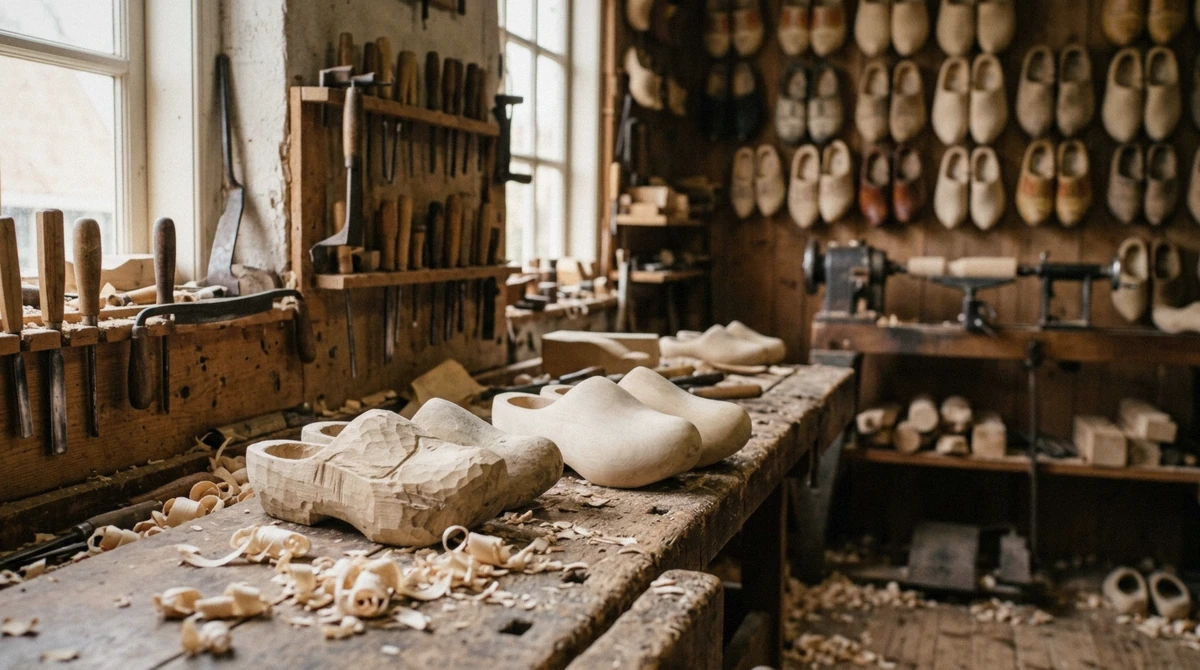
The clog workshop and the cheese farm are both free to walk into. Half the people who call the village a tourist trap paid nothing to enter it.
Questions People Ask Before Going
Is Zaanse Schans worth visiting?
Yes, provided you arrive before half past ten and go inside at least one mill. The working machinery is what separates it from a photo stop, and it costs €7.50. Arrive at midday, stay outside, and it reads as a souvenir village.
Is 2 hours enough at Zaanse Schans?
Two hours covers the dike path, one windmill interior and the cheese farm, which is exactly what the coach tours allow. Four hours is the version most people would rather have: three mills, the museum and time on the quiet far bank.
Is Zaanse Schans too touristy?
It is busy and the souvenir density around the cheese farm is high. It took 2.6 million visitors in 2024, concentrated between 10:30 and 16:00. The mills themselves are working buildings staffed by millers, not actors, and before half past ten the place is quiet enough to hear the sails.
What is there to do at Zaanse Schans for free?
Walk the whole village, watch the clog-carving demonstration, watch the cheese-making demonstration and taste what they hand out, cross the Julianabrug for the mill panorama, and follow the far bank where the coach groups do not go. Only the mill interiors and the museums charge.
How long should you spend at Zaanse Schans?
Half a day is the natural shape when you come by train: leave Amsterdam around 8:40, spend three or four hours, and be back for a late lunch. Anything under two hours turns it into a photo stop.
Is it worth paying to go inside a windmill?
It is the whole point. €7.50 at De Kat puts you beside stone runners grinding pigment, with a platform outside for the river panorama. The €15 combination ticket covers every open mill and pays for itself at the second one.
Is Zaanse Schans a real village?
The buildings are real, and their location is not. Most were moved here from around the Zaan region between 1961 and 1974 to save them from demolition. It is a rescue collection of genuine seventeenth and eighteenth-century buildings rather than a surviving street.